


.webp)
%201.png)
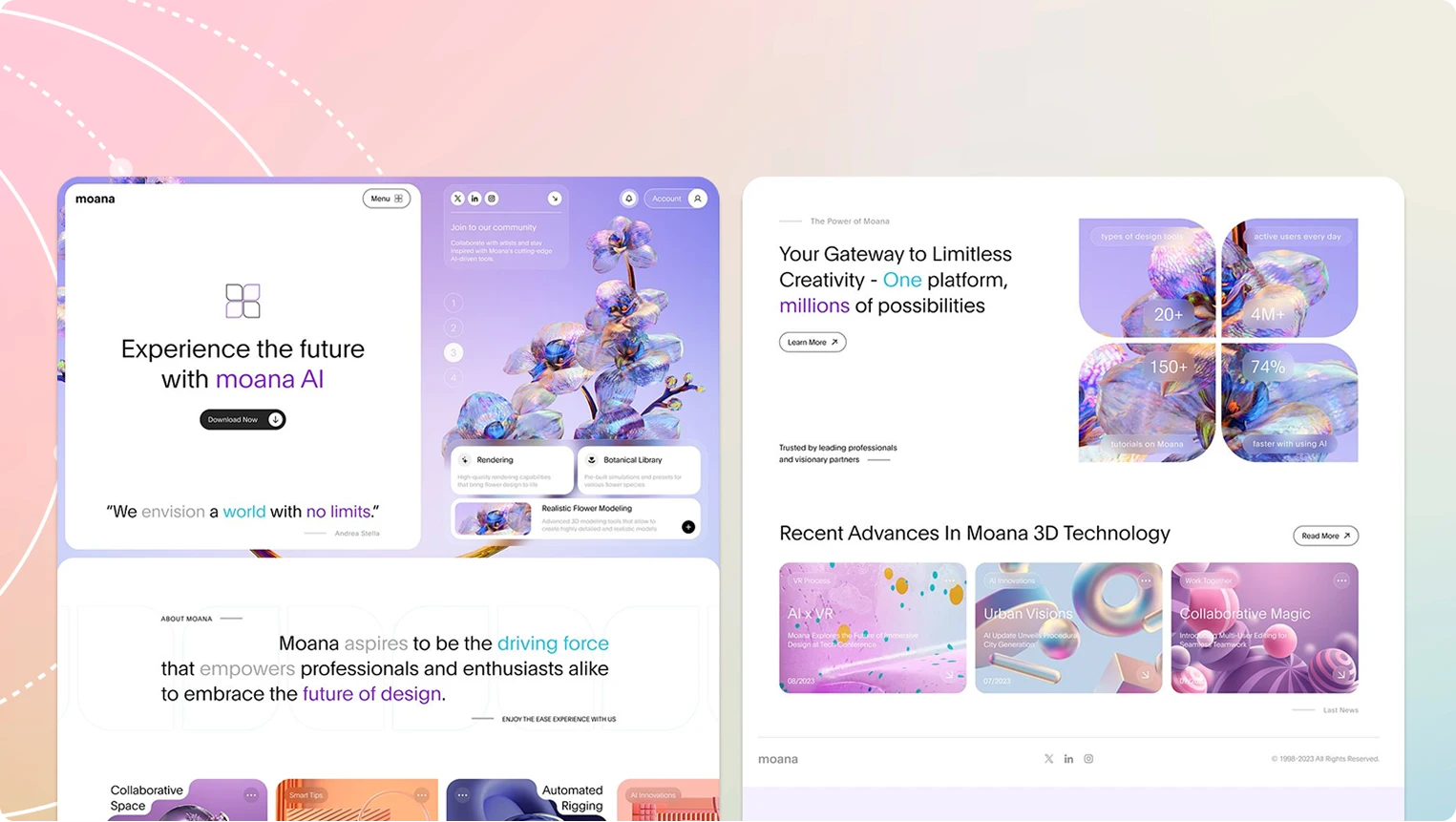
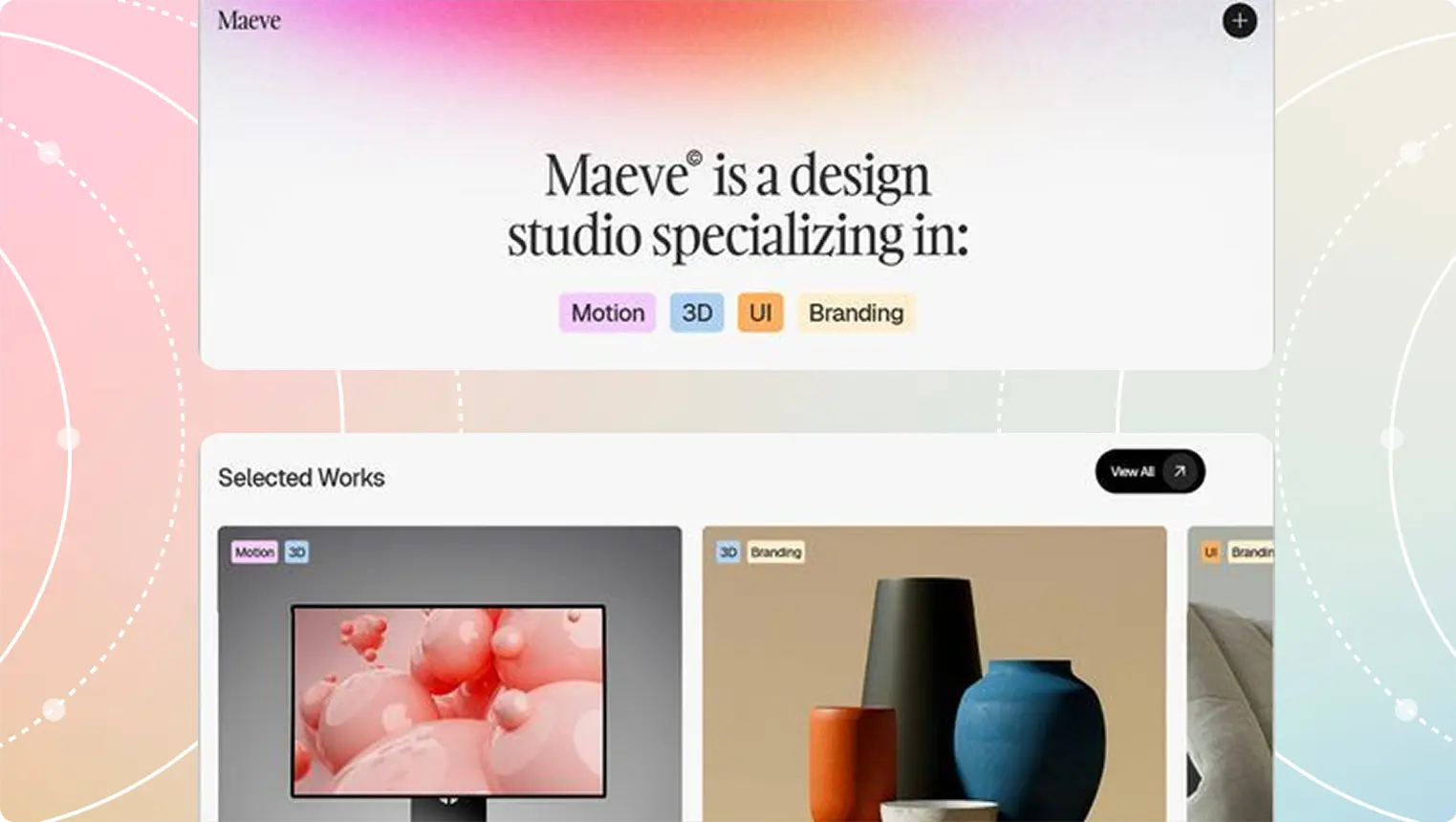
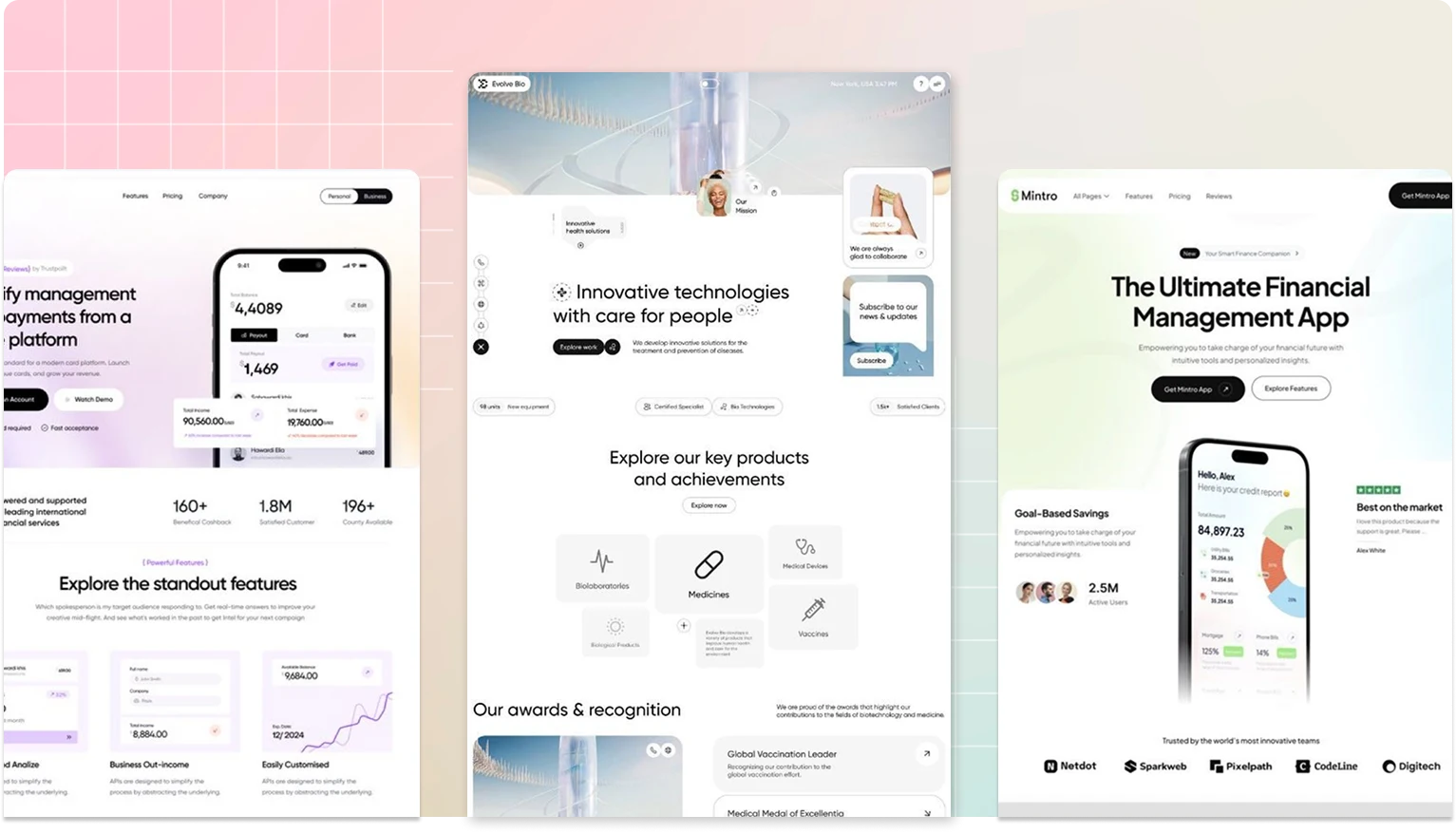
For years, company websites followed a predictable formula: homepage, services, portfolio, and an “About Us” page no one really read. That model no longer reflects how modern businesses grow, convert, or defend margin. Today, storytelling websites are no longer a design trend; they are a financial lever that directly influences revenue, sales efficiency, and long-term enterprise value.
At Webflow Atelier, we approach this as strategic infrastructure. Not as visual artifacts, but as systems engineered to clarify value, accelerate decision-making, and reduce friction across the buyer journey. When executed correctly, storytelling websites do not decorate a brand narrative; they operationalize it.
Why Storytelling Has Become a Revenue Driver
Digital decision-makers no longer evaluate companies based on features alone. They evaluate clarity, relevance, and confidence. A website must answer three business-critical questions within seconds:
- Why should I trust this company?
- What happens if I do nothing?
Storytelling websites are built to answer those questions systematically. They connect business context, customer pain points, and strategic outcomes into a coherent narrative that mirrors how buyers actually think. This is why high-performing organizations increasingly treat them as conversion infrastructure, not marketing collateral.
Moving Beyond Static Messaging Architecture
Traditional websites rely on flat layouts and isolated sections. Storytelling websites, by contrast, are structured around momentum. Each interaction advances understanding, reduces uncertainty, and reinforces strategic alignment.
Instead of starting with “who we are,” effective storytelling websites begin with the market reality the buyer recognizes. They frame problems economically, not emotionally. This shift transforms passive browsing into active evaluation.
This architectural shift is where UX/UI becomes a strategic discipline rather than a visual layer. In high-performing storytelling websites, UX is designed to guide cognitive flow, while UI reinforces hierarchy, credibility, and decision confidence. Navigation, interaction patterns, and content sequencing are intentionally structured to reduce friction, surface value faster, and support conversion logic tied to business outcomes—not subjective design preferences.
Strategic Narrative Layers That Drive Results
A high-impact narrative framework typically includes:
- Market tension and cost of inaction
- Strategic differentiation grounded in execution capability
- Proof of scalability and operational maturity
- Clear pathways to engagement aligned with buying intent
When storytelling websites integrate these layers, they shorten sales cycles and increase deal quality.
Storytelling as Digital Infrastructure, Not Creative Output
One of the most common misconceptions is that storytelling websites are a design exercise. In reality, they are the visible layer of a much deeper system. At Webflow Atelier, we audit business models before recommending technology, content structure, or platform decisions.
This agnostic approach ensures storytelling websites support scale instead of creating bottlenecks. Technology should never dictate narrative; narrative should dictate technology. Well-structured storytelling websites directly influence financial performance by:
- Increasing lead qualification quality
- Reducing dependency on outbound sales pressure
- Improving conversion efficiency across channels
- Aligning marketing spend with revenue attribution
These outcomes are measurable. Companies investing in storytelling websites often see higher average contract values and lower customer acquisition costs because clarity attracts the right buyers and repels the wrong ones.
The Difference Between Branding and Strategic Storytelling
Branding focuses on perception. This type of website focuses on decision enablement. A brand storytelling website may look compelling, but without operational alignment, it fails to convert attention into revenue.
Strategic storytelling websites are built around how stakeholders evaluate risk, ROI, and long-term fit. This is why websites that tell a story outperform traditional sites: they mirror real-world decision logic instead of internal marketing assumptions.
Webflow Atelier does not advocate for tools; we advocate for outcomes. Every storytelling website must integrate seamlessly with analytics, CRM systems, and growth operations. Platform choice follows strategic validation, never the other way around.
This prevents over-engineering, reduces technical debt, and ensures storytelling websites remain adaptable as the business evolves.
Measuring Success Beyond Traffic Metrics
Page views and engagement are not success indicators. Websites must be also evaluated through:
- Pipeline contribution
- Conversion velocity
- Revenue influenced by digital touchpoints
- Long-term customer lifetime value
When narrative architecture aligns with business strategy, the website becomes a growth asset rather than a marketing expense.
If you’re ready to transform your website into a strategic growth system, contact Webflow Atelier and start building digital infrastructure designed for measurable business impact.
.png)
.png)
Join the 1% of Data-Driven Founders
Stop letting technical debt limit your revenue. Get a 30-minute strategic diagnostic of your digital infrastructure. No fluff, just strategy.
.gif)
.gif)



.webp)