.webp)
%201.png)
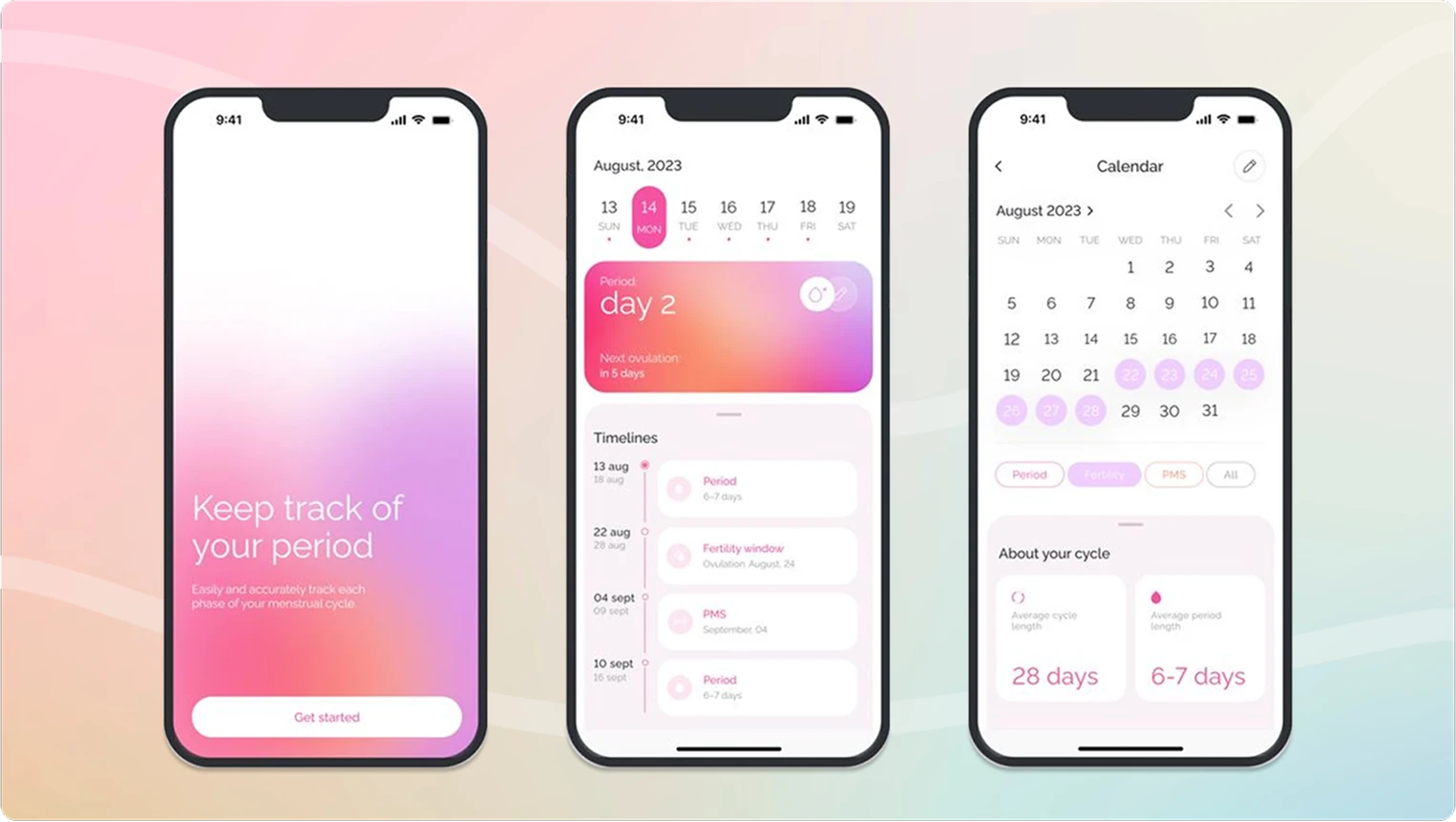
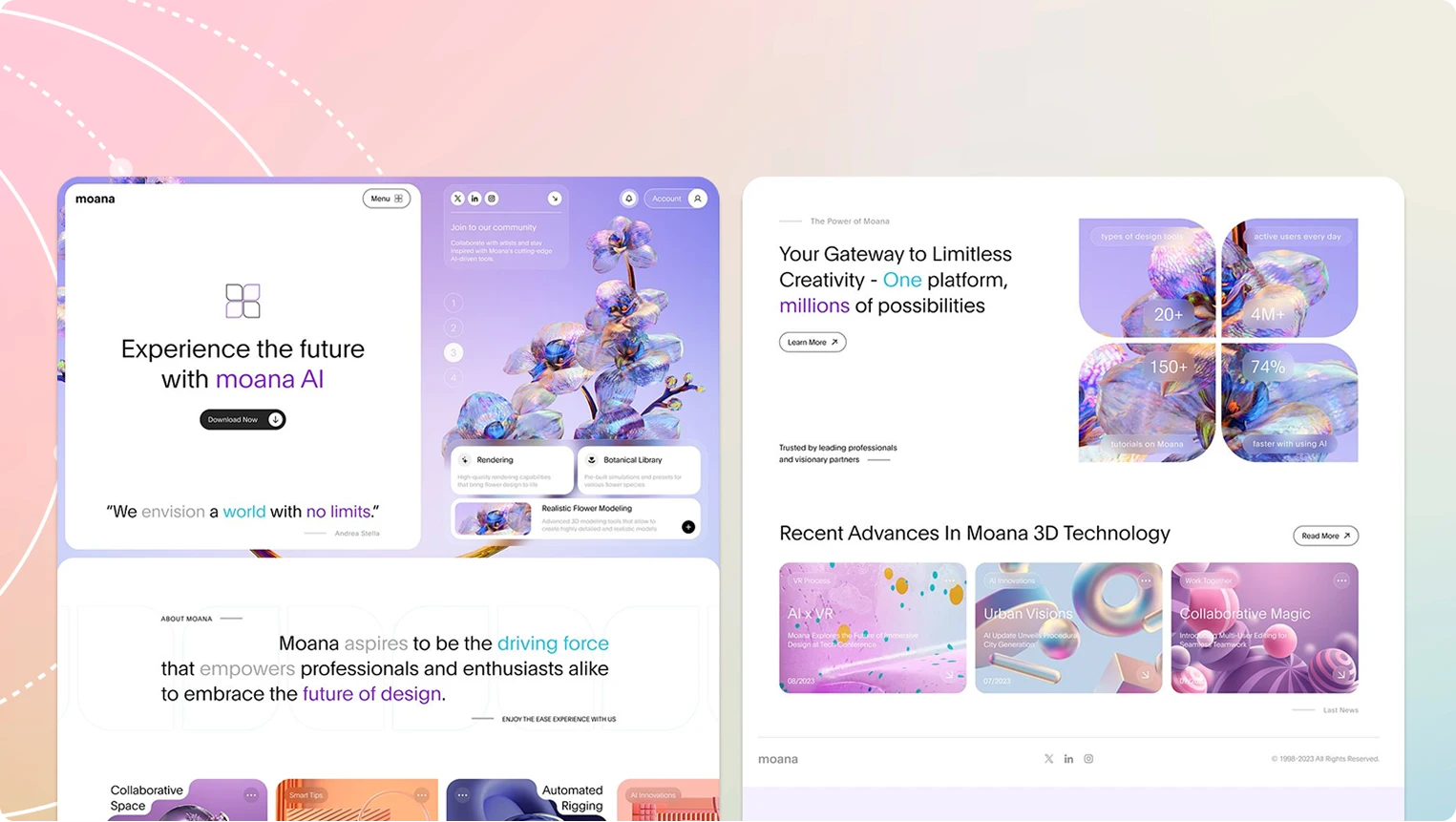
In 2026, mobile devices account for over 60% of e-commerce traffic worldwide, making mobile optimization a critical factor for business success. Failing to optimize your online store for mobile users not only frustrates visitors but also creates a technical debt that can hinder future development, affect SEO rankings, and reduce revenue.
What is Mobile Optimization?
Mobile optimization refers to the process of designing and developing websites that provide an optimal user experience on smartphones and tablets. It goes beyond responsive design and includes:
- Fast loading times
- Intuitive navigation
- Touch-friendly interfaces
- Mobile-first content strategy
- Optimized media (images, videos)
In e-commerce, mobile optimization ensures that product pages, checkout flows, and interactive features work seamlessly across devices.
The Technical Debt of Ignoring Mobile Optimization
Failing to prioritize mobile optimization creates a technical debt that accumulates over time, leading to higher costs and performance bottlenecks. Key consequences include:
- Slow Page Load Times: Non-optimized sites often load sluggishly on mobile, increasing bounce rates.
- Poor SEO Performance: Google prioritizes mobile-first indexing; a website not optimized for mobile can lose search visibility.
- Complicated Maintenance: Legacy desktop-first designs require continuous patches and workarounds for mobile compatibility.
- Reduced Conversion Rates: Mobile users expect frictionless shopping experiences; anything less can impact sales.
- Scalability Issues: Adding new features to a non-mobile-friendly site often requires extensive refactoring.
Pro Tip: Think of mobile optimization as an investment, not a cost. The longer you delay, the more complex and expensive it becomes to address technical debt.
Key Elements of Mobile Optimization in 2026
Before diving into the specifics, it’s important to understand that mobile optimization in 2026 goes beyond responsive design. It requires a strategic approach that prioritizes speed, usability, and accessibility for mobile users. The goal is to create seamless experiences that not only look great but also perform flawlessly across all devices, minimizing friction and maximizing conversions.
1. Mobile-First Design
Designing with a mobile-first approach means considering smaller screens as the primary experience rather than an afterthought. Key strategies include:
- Prioritize layouts, navigation, and content for smaller screens.
- Reduce clutter and streamline user journeys.
- Implement progressive enhancement for desktop features.
2. Performance Optimization
Performance is a critical component of mobile optimization. Slow-loading pages directly impact bounce rates and conversions. Best practices include:
- Compress images and videos without losing quality.
- Implement lazy loading for dynamic content.
- Optimize code (JavaScript, CSS) to reduce render-blocking resources.
- Use modern frameworks and Webflow’s performance tools for speed.
3. Touch-Friendly Interfaces
Mobile users interact differently than desktop users. Optimizing for touch ensures accessibility and reduces friction:
- Ensure buttons and CTAs are large enough for fingers.
- Avoid hover-dependent interactions.
- Simplify forms and checkout flows for mobile users.
4. SEO and Indexing
Mobile optimization directly impacts search engine rankings, especially with Google’s mobile-first indexing. Key considerations include:
- Use structured data optimized for mobile.
- Implement mobile-specific metadata.
- Ensure fast mobile page speed metrics (LCP, FID, CLS).
5. Testing and Analytics
Continuous monitoring and testing are crucial to maintain a high-quality mobile experience:
- Conduct regular mobile usability audits.
- Monitor Core Web Vitals on mobile devices.
- Track user behavior through mobile analytics to refine experiences.
Best Practices for Avoiding Mobile Technical Debt
The following key strategies help development teams stay proactive, streamline updates, and deliver consistently high-quality mobile experiences.
- Adopt a mobile-first mindset from project inception.
- Use component-based design systems for scalability.
- Keep code clean and modular to facilitate updates.
- Monitor performance metrics regularly.
- Integrate automated testing for mobile responsiveness.
- Avoid excessive reliance on third-party plugins that may slow mobile performance.
In 2026, mobile optimization is not optional for e-commerce development—it is essential. Ignoring it accumulates technical debt, limits growth, and jeopardizes your competitive edge. By implementing a mobile-first approach, optimizing performance, and continuously testing, businesses can deliver exceptional mobile experiences while future-proofing their digital infrastructure.
Ready to transform your e-commerce platform for mobile-first success? Contact Webflow Atelier today and let our experts build a fully optimized mobile experience that drives conversions and reduces technical debt.
.png)
.png)
Join the 1% of Data-Driven Founders
Stop letting technical debt limit your revenue. Get a 30-minute strategic diagnostic of your digital infrastructure. No fluff, just strategy.
.gif)
.gif)
%201.webp)


.webp)