High-end Website Design: Create a Stunning Site for Your Brand
Author
Pablo Lombeida
Founder & Strategic Director
Date
April 8, 2026
Reading Time
6 min read
Author
Pablo Lombeida
Reading Time
6 min read
Date
April 8, 2026
High-end Website Design: Create a Stunning Site for Your Brand
Author
Pablo Lombeida
Founder & Strategic Director
Date
April 8, 2026
Reading Time
6 min read
Author
Pablo Lombeida
Founder & Strategic Director
Reading Time
6 min read
Date
April 8, 2026
High-end Website Design: Create a Stunning Site for Your Brand
Date
April 8, 2026
Author
Pablo Lombeida
Reading Time
6 min read
Reading Time
6 min read
Date
April 8, 2026
Author
Pablo Lombeida

In today’s competitive digital landscape, high-end website design is more than just aesthetics—it’s about creating a seamless blend of form and function that elevates your brand. For businesses aiming to make a lasting impression, a website must deliver not only visually striking design but also an intuitive user experience, fast performance, and adaptability across devices.

Why High-End Website Design Matters

A high-end website sets your brand apart in a crowded marketplace. It communicates professionalism, builds trust with your audience, and can even influence purchase decisions. Key benefits include:

  • Enhanced Brand Identity: A thoughtfully designed website reinforces your brand’s values, tone, and messaging.
  • Improved User Experience: Smooth navigation, clear calls-to-action, and responsive layouts increase engagement and reduce bounce rates.
  • SEO Advantage: High-quality websites often perform better in search rankings due to fast load times, structured data, and clean code.
  • Increased Conversions: A high-end site guides visitors through a conversion-focused journey, from awareness to decision-making.

Core Elements of High-End Website Design

Creating a high-end website involves several technical and creative considerations. Here’s what sets these sites apart:

1. Visual Design and Branding

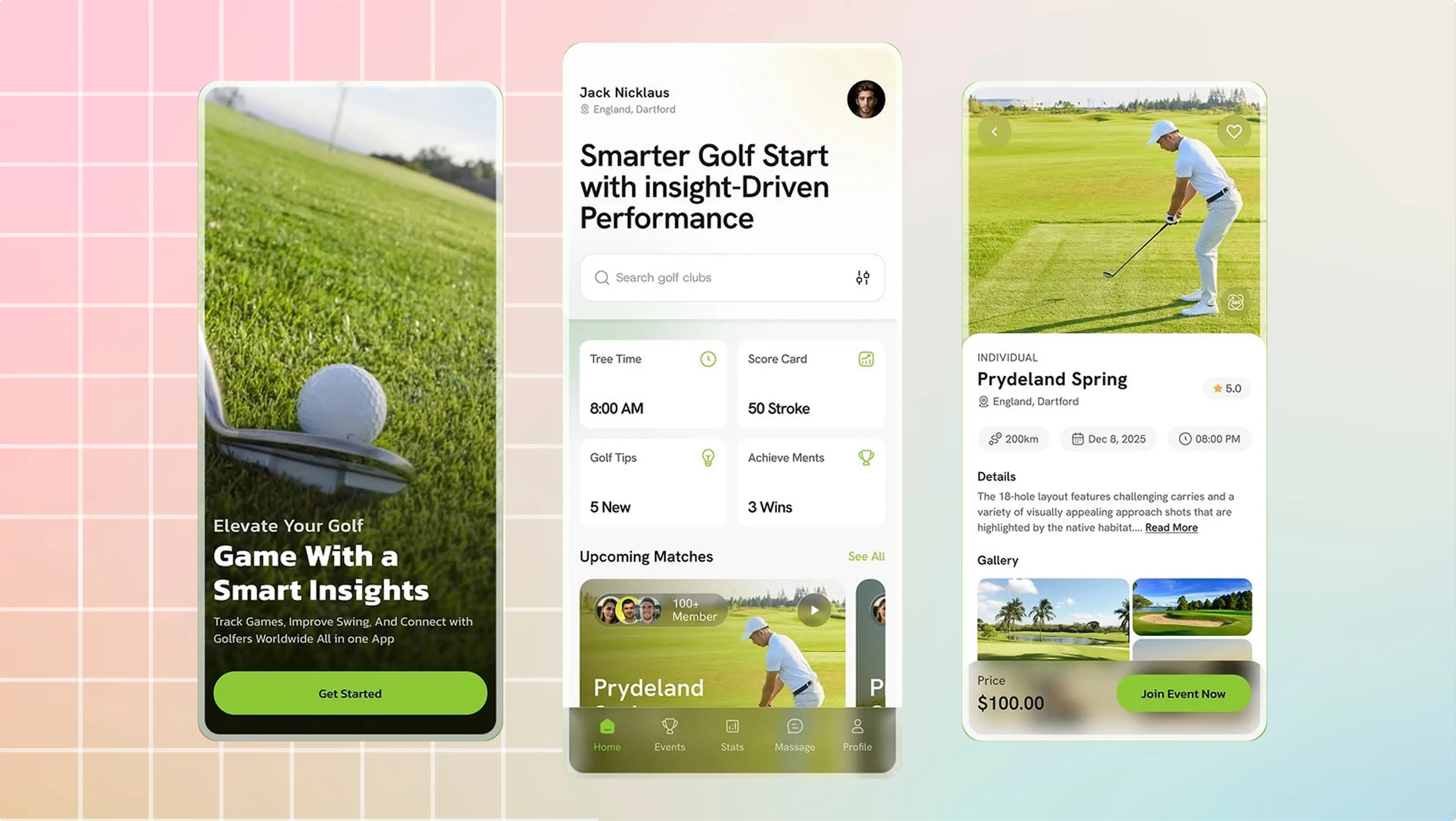
High-end websites are built on a deliberate and cohesive visual system where every design decision reinforces brand identity. Visual design is not decorative—it is strategic communication translated into digital form. A strong visual direction ensures consistency across every page and interaction, creating a unified and memorable experience for users.

Key components include:

  • Color strategy: Carefully selected palettes that reflect brand personality, emotional tone, and market positioning
  • Typography system: Hierarchical font structures, refined spacing, and often custom or premium typefaces to enhance uniqueness
  • Imagery direction: Consistent photography style, lighting, composition, and art direction aligned with brand storytelling
  • Spacing and layout systems: Grid-based structures and intentional whitespace to improve clarity and perceived sophistication
  • Visual consistency: Cohesive use of icons, illustrations, and motion elements across all touchpoints

Every visual layer works together to communicate trust, elevate perception, and reinforce the brand’s positioning in a competitive digital environment.

2. UX/UI Excellence

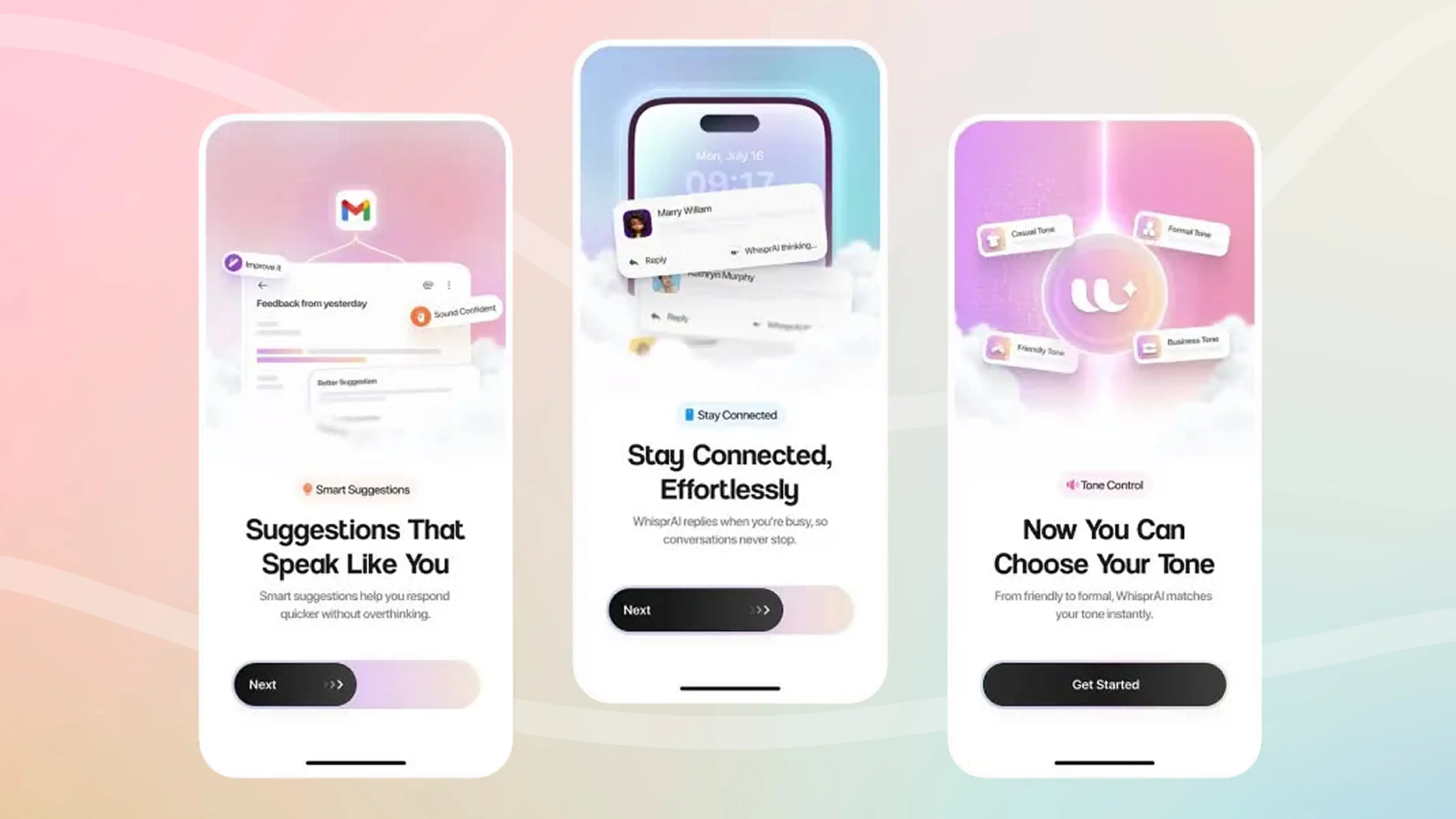
User experience (UX) and user interface (UI) design are foundational to any high-end website design. A visually stunning interface must also be intuitive, accessible, and frictionless to navigate. High-end UX/UI focuses on removing unnecessary complexity while guiding users naturally toward meaningful actions.

Core UX/UI principles include:

  • Intuitive navigation: Clear information architecture that minimizes cognitive load and improves discoverability
  • Structured hierarchy: Logical content flow that guides attention from primary to secondary information
  • Micro-interactions: Subtle animations and feedback states that enhance engagement without distraction
  • Accessibility-first design: Compliance with WCAG principles, including contrast ratios, keyboard navigation, and screen reader support
  • Fully responsive layouts: Seamless adaptation across mobile, tablet, and desktop experiences

Additional UX considerations:

  • Reducing friction in user journeys
  • Prioritizing readability and content scanning
  • Ensuring consistency in UI components and interaction patterns

The goal is simple: every interaction should feel natural, effortless, and intention when creating a high-end website design.

3. Performance and Technical Quality

In high-end website design, performance is not optional—it directly impacts user perception, SEO performance, and conversion rates. A slow or unstable website undermines even the most refined visual design. Technical excellence ensures that the experience remains fast, secure, and scalable.

Essential performance pillars include:

  • Optimized media assets: Compression, responsive image scaling, and next-gen formats like WebP or AVIF
  • Lazy loading strategies: Improved page speed by deferring non-critical content
  • Clean, modular code: Maintainable architecture that supports scalability and long-term evolution
  • Fast loading performance: Optimized scripts, minimized render-blocking resources, and efficient caching strategies

Security and reliability are equally critical:

  • SSL encryption for secure data transmission
  • Regular updates and vulnerability management
  • Secure authentication and data handling practices
  • Compliance with privacy standards (GDPR, CCPA when applicable)

System integrations also enhance functionality:

  • CRM and marketing automation platforms
  • Analytics tools for behavioral tracking
  • Third-party APIs for extended functionality

A high-end website must perform as well as it looks—consistently and reliably.

4. Conversion-Oriented Design

A premium high-end website design is not just about aesthetics—it is built to drive measurable business results. Every section, interaction, and visual cue should contribute to guiding users toward conversion. Conversion-focused design blends psychology, strategy, and UX principles.

Key elements include:

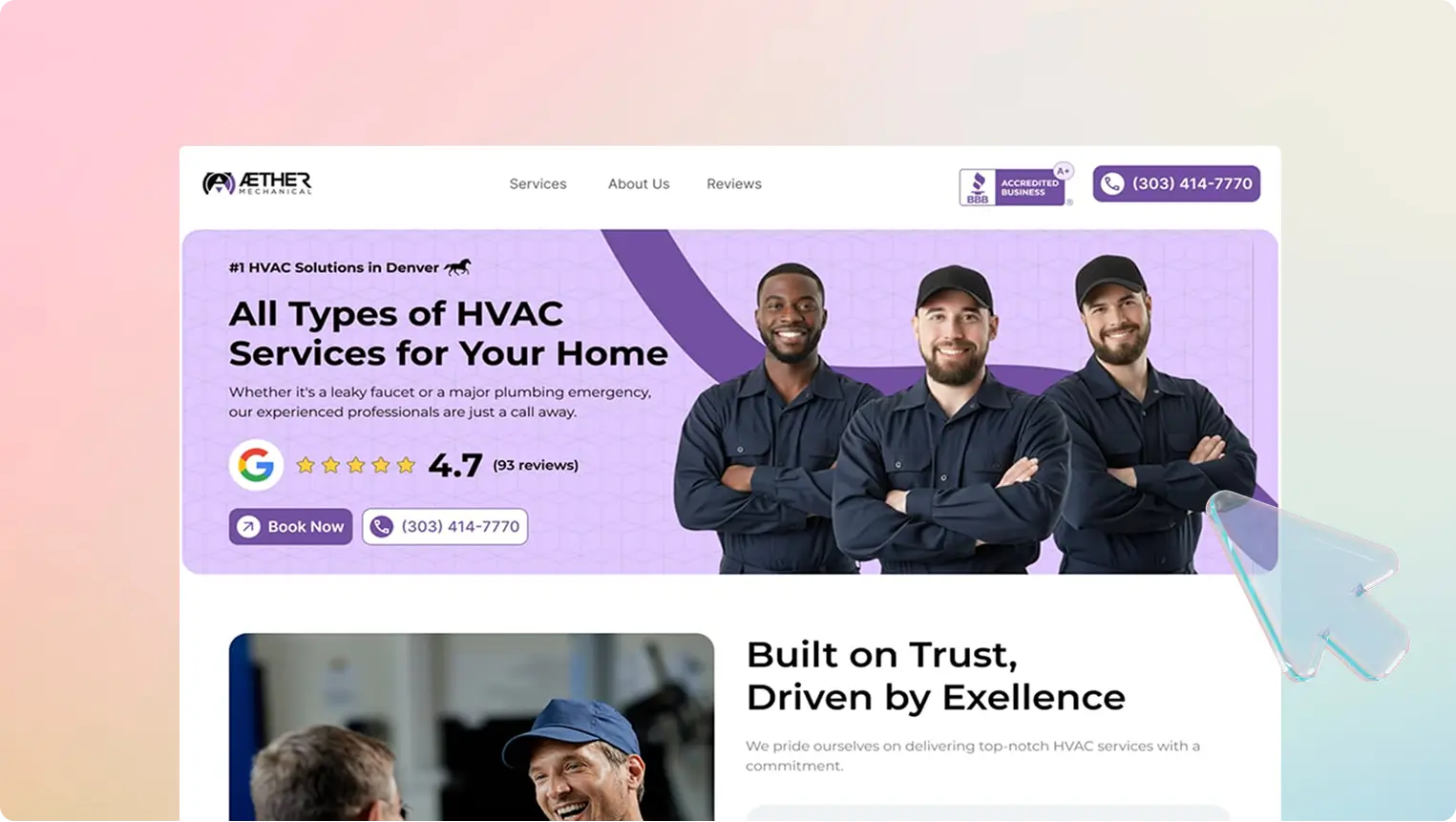
  • Strategic call-to-actions (CTAs): Clear, compelling, and placed at high-intent moments in the user journey
  • Optimized landing pages: Focused layouts designed for specific audiences or campaigns with minimal distractions
  • Intent-based content structure: Messaging aligned with user awareness levels (top, middle, bottom of funnel)
  • Guided user flows: Thoughtfully designed pathways that lead users from discovery to action

Additional conversion strategies:

  • A/B testing for continuous improvement
  • Heatmaps and behavioral analytics for optimization
  • Persuasive copywriting integrated with design hierarchy
  • Visual emphasis on trust signals (testimonials, case studies, proof elements)

The objective is to reduce friction and make every step toward conversion feel natural and inevitable.

5. Custom Development Flexibility

While templates can offer speed, true high-end website design often requires custom development to fully align with brand strategy and business needs. Flexibility is what allows a digital experience to feel truly unique. Custom development enables advanced functionality and tailored user experiences that go beyond standard platform limitations.

Key capabilities include:

  • Custom interactive components: Dynamic animations, storytelling sections, and immersive UI elements
  • Advanced CMS structures: Flexible content systems designed for scalability and ease of management
  • API integrations: Seamless connection with CRMs, ERP systems, payment gateways, and external data sources
  • Personalized user experiences: Dynamic content based on user behavior or segmentation

Additional benefits of custom builds:

  • Greater control over performance optimization
  • Ability to scale without structural limitations
  • Unique design execution without template constraints
  • Stronger alignment between design, development, and business goals

Ultimately, custom development ensures the website becomes a fully tailored digital product—not just a static presence.

Steps to Achieve a High-End Website

  1. Define Your Brand Goals: Understand the message, tone, and objectives your site should communicate.
  2. Research Your Audience: Identify user needs, behaviors, and preferences.
  3. Plan the Site Architecture: Map out pages, navigation, and content hierarchy.
  4. Design with Precision: Focus on visual harmony, UX best practices, and responsiveness.
  5. Develop and Test: Implement clean code, optimize for performance, and test across devices and browsers.
  6. Launch and Optimize: Monitor performance, gather user feedback, and refine the experience continuously.

Partnering with Experts

Achieving true high-end website design requires both strategic thinking and technical expertise. At Webflow Atelier, we are technology-agnostic, meaning we select the platform, tools, and methods that best align with your business needs—not just one solution. This approach ensures your website is not only visually impressive but also optimized for long-term success.

Elevate your brand with a website designed to impress and perform. Contact us today to create a high-end website tailored specifically to your goals, leveraging the technology that suits you best.

Pablo Lombeida
Founder & Strategic Director at Webflow Atelier
Pablo Lombeida is a Digital Infrastructure Strategist specializing in transforming corporate websites into high-performance financial assets. With a technology-agnostic approach and a methodology rooted in SEO First Design™, he helps Mid-Market companies close the "experience gap" and eliminate the technical debt that stifles scalability. Operating as a Fractional CMO, Pablo aligns digital architecture with core business objectives to maximize ROI, turning web and e-commerce ecosystems into sustainable competitive advantages.

Join the 1% of Data-Driven Founders

Stop letting technical debt limit your revenue. Get a 30-minute strategic diagnostic of your digital infrastructure. No fluff, just strategy.
Website Strategy
6 min read
March 26, 2026
Webflow vs WordPress: Which Platform is Best in 2026?
Website Strategy
6 min read
February 26, 2026
Custom Website vs. Template: A Financial and Strategic Perspective
Technical Debt
7 min read
April 8, 2026
Website Speed Optimization: Best Techniques for Developers
Technical Debt
6 min read
February 4, 2026
Is Your Digital Presence Blocking Growth? A Strategic Analysis